


A classroom table can look perfectly clean and still carry the smell of whatever was sprayed on it that morning.
For years, that has been accepted as part of the cleaning routine: citrus spray in the classroom, a bleachy washroom smell, an air freshener trying to cover it all up.
SEND schools are already thoughtful about the environment around their pupils. Lighting, noise, layout and routine all play a part in how a space feels. Smell deserves the same attention.

A strong fragrance may pass unnoticed by one person and feel far too intense for another. There is no single SEND experience, and schools know their pupils best. Still, there is a simple point worth making: a school can be clean without filling the air with perfume, bleach or chemical fumes.
That is why chemical-free cleaning is becoming a serious consideration for SEND facilities teams.
Why Fragranced Cleaning Chemicals Need Careful Consideration
There is an old idea that a strong chemical smell means somewhere is properly clean. Most people have probably walked into a freshly mopped corridor and recognised it immediately.
For a school, particularly one that gives careful thought to the sensory environment, that is worth challenging.
Many neurodivergent students (such as those with Autism Spectrum Conditions or Sensory Processing Disorders) experience smells more intensely. A smell that seems mild to an adult can feel overwhelming, uncomfortable or distracting. Some pupils may also find it difficult to explain what is causing that discomfort.
Furthermore, some SEND students may have co-occurring medical conditions like asthma or allergies. A study from 2018 showed that 83.7% of autistic adults reported adverse health effects from fragranced products. Reported effects included migraine headaches, neurological problems, respiratory problems and asthma attacks. The study also found that 62.9% reported health problems from air fresheners or deodorisers, and 65.9% reported problems from being in a room cleaned with scented products.
While the study focused on autistic adults rather than school-aged pupils, and every person’s experience is different, it does reinforce that for SEND settings, strong fragrances and unnecessary chemical fumes are worth avoiding wherever possible.

Facilities managers are increasingly looking towards sensory-neutral cleaning products and practices. The main shift is towards unscented, fragrance-free products that still meet the required hygiene standards, including EN 1276 and EN 14476.
Clean does not need to have a smell. Fragranced products can mask unpleasant odours rather than deal with their cause. An effective cleaner and deodoriser deals with the source of the odour, leaving the room fresh and neutral rather than heavily perfumed.
Where schools still use conventional products for deep cleaning, it is sensible to schedule this work outside school hours and follow the manufacturer’s ventilation and use guidance before pupils return.
Residue Left After Cleaning With Chemicals
Residue is an easy thing to overlook.
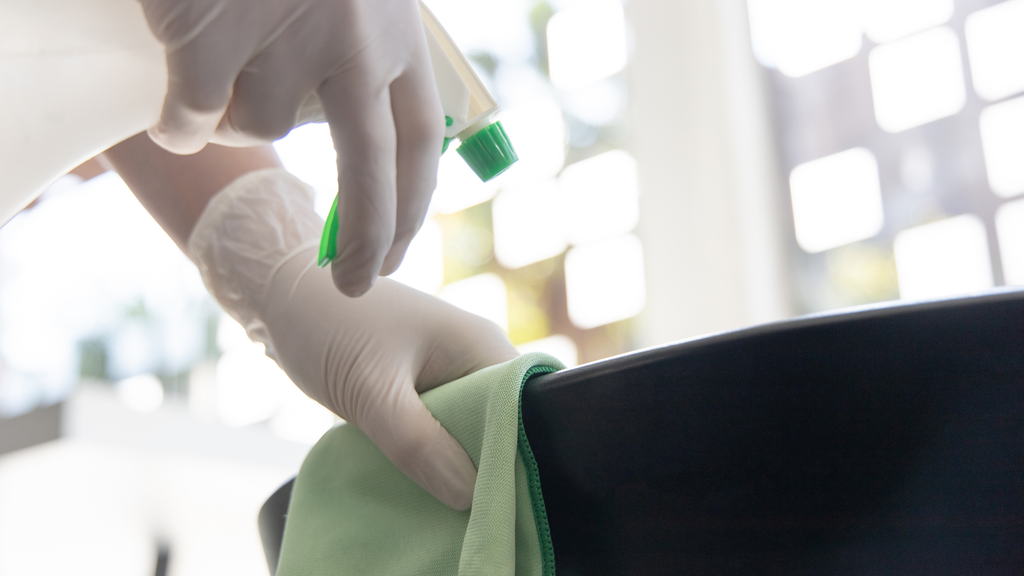
Cleaning-product residue is the small trace of product left behind after a solution has been applied and wiped away. With some products, you can see or feel it. With others, there is no obvious sign that it is there.
Residues and fragranced cleaning fumes can be a concern in spaces used throughout the day. They may contribute to skin irritation, unpleasant smells or poorer indoor air quality, particularly where aerosol sprays and air fresheners are used.
Why Chemical-Free Cleaning Is a Better Fit
Chemical-free cleaning gives facilities teams a way to reduce their reliance on fragranced and conventional chemical products without lowering hygiene standards.
Ozoklenz produces aqueous ozone on site from mains water, oxygen and electricity. The solution can be used for cleaning, sanitising, disinfecting, and deodorising across the school, without any added perfume, solvents or traditional chemical formulations.
This helps schools avoid introducing the fragrance- and solvent-based VOCs often associated with conventional cleaning products. It also means there is no need to use air fresheners to create the impression of a clean room.
Once the aqueous ozone has done its job, it naturally breaks down into water and oxygen, and therefore leaves no toxic chemical residue on surfaces.
That means tables, touchpoints and shared equipment can be left clean and ready to use, without a lingering scent or conventional chemical residue.
For SEND schools, chemical-free cleaning can support a calmer, more neutral environment for pupils, staff and visitors.
Serious Hygiene, Backed by Recognised Standards
Simple does not mean cutting corners on hygiene.
Ozoklenz meets the recognised EN 1276 and EN 14476 standards. In practical terms, these cover bactericidal, virucidal and surface-disinfection performance. Ozoklenz reports a microbial reduction of up to 99.999%.
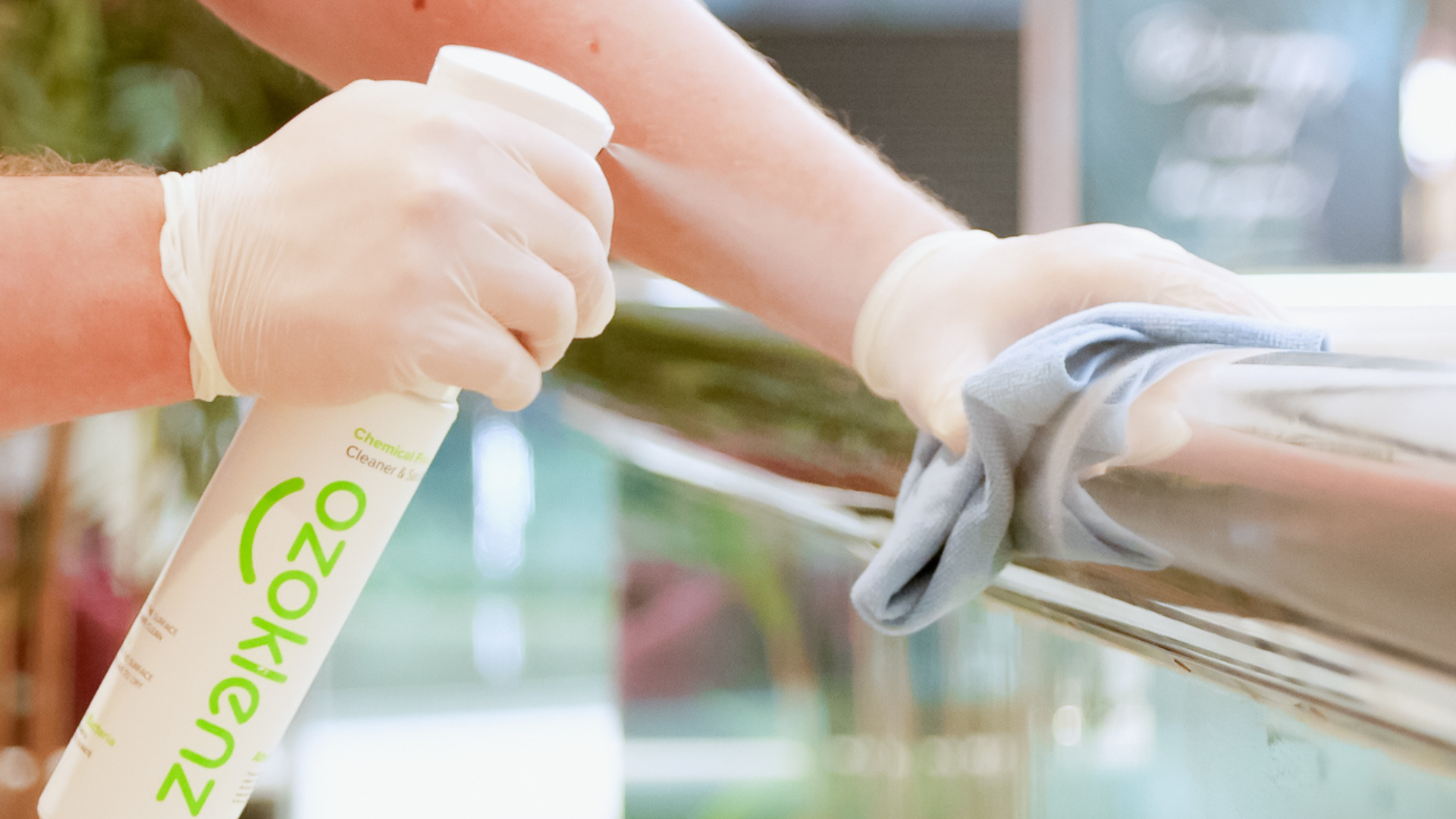
For a facilities manager, that brings welcome reassurance. The system is designed to handle everyday cleaning across a busy site while supporting the hygiene standards schools expect.
There is also a practical benefit for the staff. Fewer products mean less training, a reduction in COSHH requirements, and fewer bottles to store.
A Better Fit for the School Day
Chemical-free cleaning makes the everyday side of cleaning easier to manage.
One on-site system. One naturally powerful, naturally safe, naturally made solution. Less dependence on harsh cleaning chemicals, and a safer, calmer environment for the students and staff onsite.
To see how Ozoklenz could work in your school, speak to our team about a chemical-free cleaning assessment.